Shipping
How to Book a Full Truckload Shipment: A Shipper's Checklist
Everything a shipper needs to book a full truckload shipment, from the details to have ready for a quote to the bill of lading, pickup day, tracking, delivery and payment.
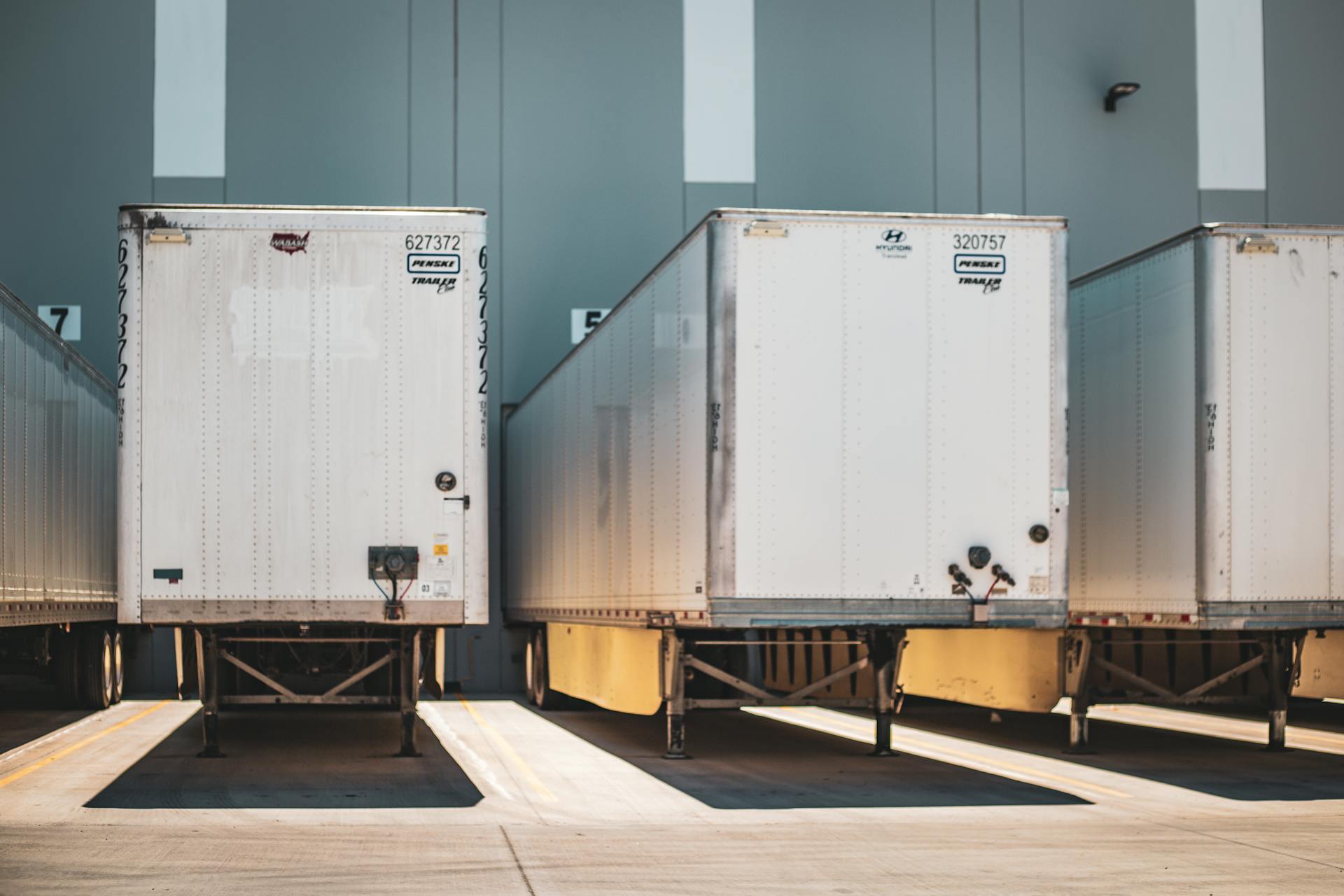
Booking a full truckload (FTL) shipment is simple once you've done it a few times. The key is giving the carrier the right information up front, so the right truck shows up at the right time and there are no surprise charges.
Use this checklist the next time you ship.
Step 1: Gather your shipment details
Have this ready before you ask for a quote:
The freight
- What it is (the commodity)
- Total weight
- Number of pallets or pieces, and their dimensions
- Whether pallets can be stacked
- Value of the freight, for insurance
- Any hazardous materials (and their UN numbers)
Equipment
- Dry van, reefer or flatbed (see which trailer you need)
- For reefer: exact temperature, and continuous or cycle mode
- For flatbed: whether it needs tarps, chains or straps
Pickup and delivery
- Full pickup and delivery addresses
- Pickup date and time window
- Delivery date and time window, or appointment
- Dock hours and whether appointments are required
- Dock or no dock (liftgate needed?)
- Contact name and phone at each location
Step 2: Get a quote and confirm the rate
Ask for a quote with all of the details above. Before you book, make sure you understand:
- What's included: linehaul, fuel surcharge, and any accessorials
- Free time at pickup and delivery, and the detention rate after that
- Cancellation terms (sometimes called TONU, "truck ordered, not used")
- Payment terms
Once you agree, the carrier sends a rate confirmation with the agreed price, dates and details. Read it carefully, and contact the carrier right away if anything is wrong.
Learn more in our guide on how truckload freight rates are calculated.
Step 3: Check your carrier
Before you hand over freight, confirm the carrier is legitimate:
- USDOT number and active operating authority, which you can look up on FMCSA's SAFER system
- Certificate of insurance showing auto liability and cargo coverage
- Clear contact details and a real phone number that someone answers
Freight fraud and fake carriers are a real problem. If something feels off, such as unusual pressure, a mismatched email domain, or last-minute changes to payment or pickup details, verify by calling a number you found yourself.
Step 4: Prepare the bill of lading
The bill of lading (BOL) is the main shipping document. It works as a receipt for the freight and a contract for carrying it. It usually includes:
- Shipper and consignee (receiver) names and addresses
- Number of pieces, weight and description of the freight
- Special instructions, such as temperature, "do not stack" or delivery appointment
- Reference numbers, such as PO, order or load number
- Signatures from the shipper and the driver at pickup
For reefer loads, write the required temperature on the BOL.
Step 5: Pickup day
- Have the freight ready, wrapped and labeled before the truck arrives
- Load quickly to avoid detention charges
- Check the trailer is clean and in good condition (and pre-cooled for reefer)
- Count the pallets together with the driver and note any damage on the BOL
- Seal the trailer if required, and write the seal number on the BOL
- Get the BOL signed by the driver, and keep a copy
Step 6: Track the shipment
Ask the carrier how you'll get updates: by phone, text, email or a tracking link. Good carriers tell you when the truck picks up, give updates in transit, and send an ETA before delivery, and let you know right away if something goes wrong.
Step 7: Delivery
At delivery, the receiver should:
- Count the pallets and check for damage before signing
- Write any shortage or damage on the delivery receipt, with photos
- Check the seal number matches and the seal is intact
- For reefer, check and record the temperature of the product
The signed delivery receipt is the proof of delivery (POD).
Step 8: Invoice and payment
The carrier sends an invoice, usually with the rate confirmation, BOL and POD attached. Check that the charges match what you agreed. If you see unexpected accessorials, ask for the backup documents, such as detention times.
If freight was damaged, file a cargo claim with the carrier as soon as possible, with photos, the marked-up delivery receipt, and the invoice for the goods.
Ready to ship?
Falcon Eye Trucking handles full truckload dry van, reefer and flatbed freight across the lower 48 with 24/7 dispatch and one point of contact. Request a quote, and we'll walk you through the rest.
Sources
This guide is general information, not legal, tax or compliance advice. Rules and fees change, so check the official sources linked above before you file anything. Last reviewed October 14, 2026.
Need freight moved, or looking to drive?
Falcon Eye Trucking is a South Carolina carrier with 24/7 dispatch. Call (201) 582-0223 or reach out online.